Blog

  • The Banten-Dutch War: A Turning Point in the Sultanate’s History

    The late 17th century witnessed a pivotal and tragic conflict in the history of the **Banten Sultanate**, often referred to as the **Banten-Dutch War**. This was not merely an external struggle against a foreign power but an internal dynastic dispute that was strategically exploited by the **Dutch East India Company (VOC)**, ultimately leading to a significant shift in the balance of power in the region and marking the beginning of the Sultanate’s decline.

    ## The Seeds of Conflict: Sultan Ageng Tirtayasa and Sultan Haji

    At the heart of this conflict was the strained relationship between the powerful and fiercely independent **Sultan Ageng Tirtayasa** (reigned 1651-1683) and his son, **Sultan Haji** (also known as Sultan Abu Nashar Abdul Kahar). Sultan Ageng Tirtayasa was a staunch opponent of Dutch hegemony, actively promoting Banten’s trade and seeking to undermine the VOC’s monopoly in the spice trade, particularly pepper. He fostered relations with other European powers and Asian traders, making Banten a formidable rival to Batavia (present-day Jakarta), the VOC’s headquarters.

    However, tensions arose when Sultan Haji, eager to assume power and perhaps influenced by the Dutch, began to challenge his father’s authority. The VOC, always keen to expand its influence and control over the lucrative Banten market, saw an opportunity in this internal strife.

    ## VOC Intervention and the Fall of Sultan Ageng

    The VOC strategically intervened in the conflict, siding with Sultan Haji. This intervention transformed a dynastic struggle into a full-blown war between the Banten Sultanate (under Sultan Ageng Tirtayasa) and the combined forces of Sultan Haji and the VOC. The war, which intensified around 1682, saw the VOC providing military support, including troops and artillery, to Sultan Haji.

    Despite Sultan Ageng Tirtayasa’s valiant resistance and his use of indirect guerrilla warfare tactics against Dutch ships, the superior military technology and organized forces of the VOC, coupled with the internal division, proved overwhelming. Sultan Ageng Tirtayasa was eventually defeated and captured in 1683, effectively ending his reign and his efforts to resist Dutch dominance.

    ## Consequences and Legacy

    The outcome of the Banten-Dutch War had profound and lasting consequences:

    * **Increased Dutch Influence:** With Sultan Haji on the throne, the VOC gained unprecedented control over Banten’s trade and internal affairs. Treaties signed after the war severely restricted Banten’s independence, granting the Dutch significant commercial privileges and political leverage.
    * **Decline of Banten as a Trading Power:** The VOC’s monopoly gradually stifled Banten’s once-thriving international trade, diverting much of the spice trade to Batavia. This marked the beginning of the economic decline of Old Banten.
    * **End of an Era:** The war effectively ended the golden age of the Banten Sultanate as an independent and powerful maritime empire. While the sultanate continued to exist, its sovereignty was severely curtailed, and it became increasingly subservient to Dutch colonial interests.

    ## Conclusion

    The Banten-Dutch War stands as a critical turning point, illustrating how internal divisions, when exploited by external powers, can lead to the downfall of even the most formidable kingdoms. It underscores the complex and often brutal nature of colonial expansion in Southeast Asia. The legacy of this conflict continues to shape our understanding of Banten’s history, reminding us of the fierce struggle for independence and the enduring impact of colonial intervention on indigenous polities.

  • The Sultanate of Banten: A Golden Age of Islamic Trade and Influence

    The **Sultanate of Banten**, an Islamic trading kingdom established in the 16th century, stands as a monumental chapter in Indonesian history. Centered in the bustling port city of Old Banten, this sultanate experienced a remarkable golden age, characterized by its pivotal role in the spread of Islam and its immense economic power as a dominant force in the regional and international spice trade.

    ## The Rise of an Islamic Powerhouse

    The Sultanate of Banten was founded in the 16th century, emerging from the strategic expansion of Islamic influence in Java. Its establishment was closely linked to the efforts of figures like Syarif Hidayatullah and later, **Maulana Hasanuddin**, who became the first Sultan. Hasanuddin played a crucial role in consolidating Islamic rule and establishing Banten as a significant center for the faith. The spread of Islam in the region was not solely through conquest but also through peaceful means, primarily through trade and the influence of Arab, Persian, and Indian merchants.

    ## The Golden Age: Economic Prosperity and Cultural Flourishing

    The 17th century marked the golden age of the Banten Sultanate, particularly during the reign of **Sultan Ageng Tirtayasa**. During this period, Banten flourished as one of the largest and most influential trading centers in Southeast Asia. Its strategic location on the western tip of Java made it an indispensable hub for the lucrative spice trade, especially pepper, attracting merchants from across the globe, including Chinese, Arab, Indian, Dutch, and British traders.

    The sultanate’s economic power was built on a robust maritime trade network, which allowed it to control vast territories and exert significant influence over regional politics. This prosperity fostered a rich cultural environment, characterized by a blend of local traditions and diverse foreign influences, evident in its architecture, arts, and social structures.

    ## A Beacon for the Spread of Islam

    Beyond its economic prowess, the Sultanate of Banten was a crucial catalyst for the further spread of Islam in the Indonesian archipelago. The sultans actively promoted Islamic teachings and established religious institutions, including the iconic Great Mosque of Banten, which served as a center for religious learning and community life. The presence of a strong Islamic state provided a stable environment for scholars and preachers, further solidifying Islam’s roots in the region.

    ## Decline and Enduring Legacy

    Despite its golden age, the Sultanate of Banten eventually faced internal conflicts and increasing pressure from the Dutch East India Company (VOC). These factors gradually led to its decline, culminating in its annexation by the Dutch in the early 19th century.

    However, the legacy of the Sultanate of Banten continues to resonate deeply within Indonesian society. Its historical significance as a powerful Islamic trading empire, its role in shaping the religious and cultural landscape of the region, and its architectural remnants in Old Banten serve as enduring reminders of a glorious past. The sultanate’s story is a testament to the dynamic interplay of trade, religion, and power that shaped early modern Southeast Asia.

  • Anyer Lighthouse: A Beacon of History and Resilience on the Sunda Strait

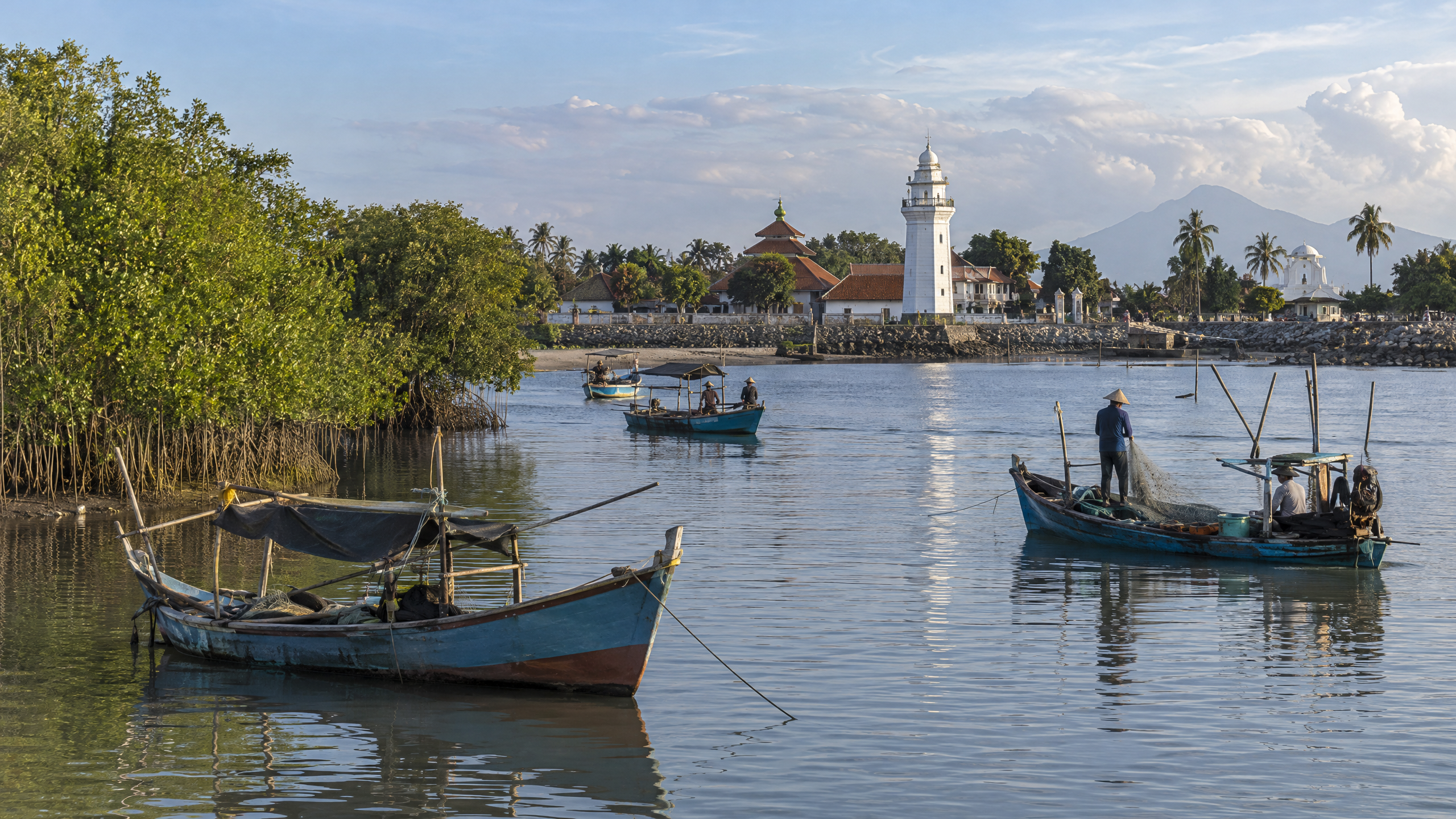
    Standing tall on the coast of Anyer, Banten, the **Cikoneng Lighthouse**, more commonly known as the Anyer Lighthouse, is a historical landmark that embodies both maritime significance and a poignant connection to one of the most catastrophic natural disasters in recorded history – the 1883 eruption of Krakatoa. This iconic structure, built in 1885, serves as a testament to resilience and a vital aid to navigation on the busy Sunda Strait.

    A Memorial to Krakatoa

    The original lighthouse at this location was tragically destroyed by the devastating tsunami that followed the cataclysmic eruption of Krakatoa on August 26-27, 1883. The colossal eruption caused the northern two-thirds of the volcanic island to collapse beneath the sea, generating massive tsunamis that ravaged coastal areas, including Anyer.

    Two years after the disaster, the Dutch government commissioned the construction of the current Cikoneng Lighthouse. It was erected not only to restore essential maritime navigation but also to serve as a memorial to the victims and the immense power of nature witnessed during the Krakatoa event. This makes the Anyer Lighthouse a unique historical monument, deeply intertwined with the region’s dramatic past.

    Architectural and Operational Significance

    Completed in 1885, the Cikoneng Lighthouse is a robust structure, standing 58 meters (190 feet) high, with its focal plane elevation at 60 meters above sea level. Its powerful light can reach a distance of 20 nautical miles, effectively guiding ships navigating the western end of the Sunda Strait. The lighthouse’s design reflects typical 19th-century colonial engineering, built to withstand the elements and provide reliable service.

    For over a century, the lighthouse has continuously operated, playing a crucial role in ensuring the safety of maritime traffic through one of the world’s busiest shipping lanes. It stands as a silent guardian, witnessing countless vessels pass between the Indian Ocean and the South China Sea.

    A Symbol of Banten’s Heritage

    Today, the Anyer Lighthouse is not just a functional aid to navigation but also a popular tourist attraction. Visitors are drawn to its historical significance, its impressive structure, and the panoramic views it offers of the surrounding coastline and, on clear days, the distant Anak Krakatoa volcano. It represents a tangible link to Banten’s colonial past and its enduring connection to the sea.

    The lighthouse is a proud symbol of Banten’s rich heritage, reminding both locals and visitors of the province’s strategic importance throughout history and its resilience in the face of natural calamities. Its story is a powerful narrative of human endeavor, natural forces, and the continuous effort to conquer the challenges of the sea.

  • Old Banten: Unearthing the Legacy of a Maritime Sultanate and Trading Hub

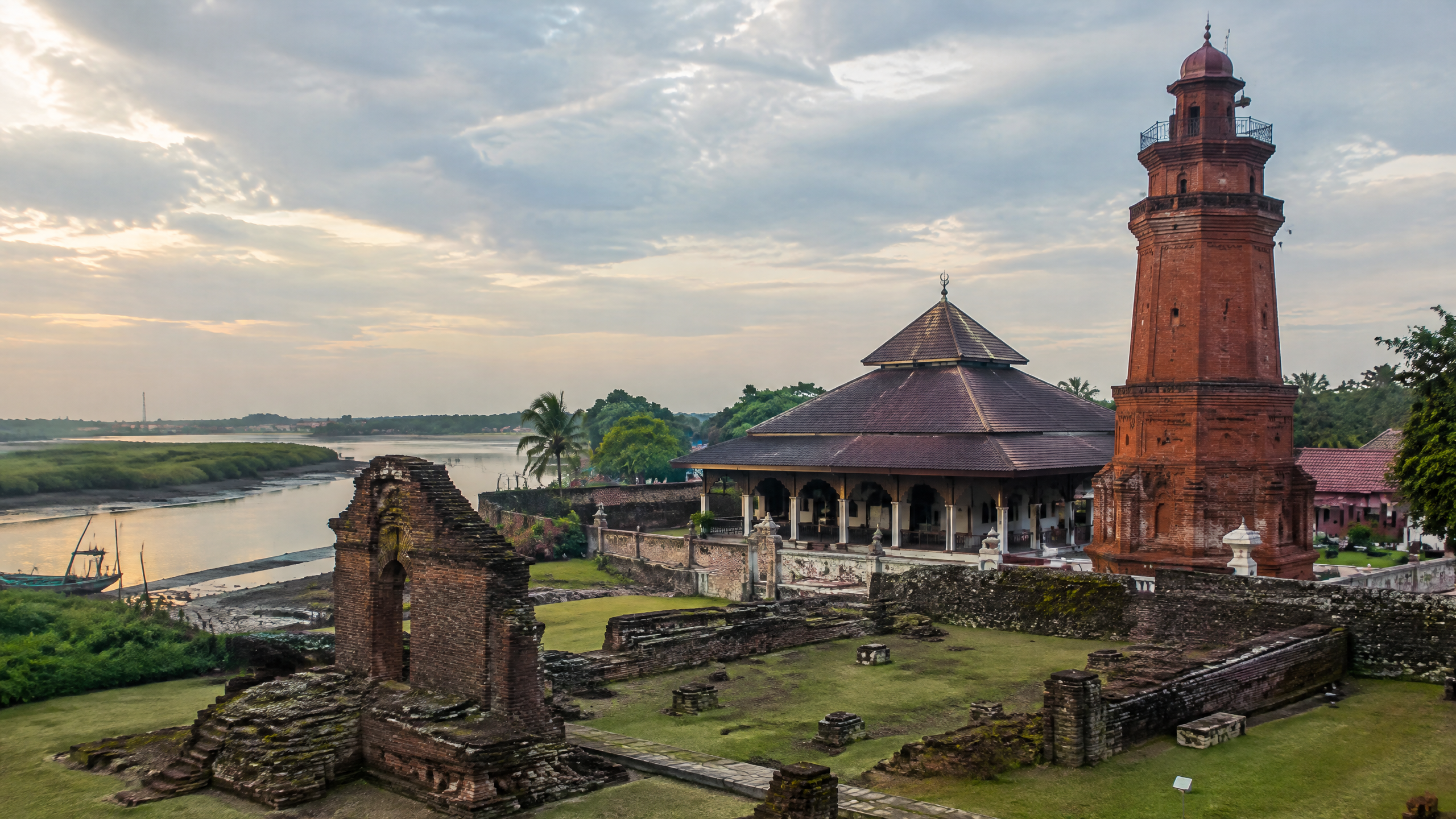
    **Old Banten (Banten Lama)**, located in present-day Serang, stands as a poignant archaeological site, whispering tales of a glorious past when it was the vibrant capital of the **Banten Sultanate** and a pivotal trading hub in Southeast Asia. Its ruins offer invaluable insights into Indonesia’s rich maritime history, Islamic heritage, and the complex interplay of cultures that once thrived within its walls.

    The Rise of a Sultanate Capital

    The history of Old Banten began in the 16th century, following the conquest of several port areas on the west coast of Java. It was during this period that Sultan Maulana Hasanuddin, the first Sultan of Banten, established a new capital city on the coast, transforming it into the heart of the Banten Sultanate. This strategic move positioned Banten as a formidable power, controlling vital trade routes and fostering the spread of Islam in the archipelago.

    The city quickly grew into a bustling walled port, characterized by its diverse population of traders from China, India, Arabia, Europe, and various parts of the Malay Archipelago. This cosmopolitan environment contributed to a unique cultural synthesis, evident in the architectural styles and social structures of the time.

    A Flourishing Trading Hub

    Old Banten’s prosperity was largely built upon its role as a major center for the spice trade, particularly pepper, with Europe from the 16th century onwards. Its strategic location on a busy trading route made it an indispensable stop for merchants traversing the seas. The city’s port facilitated the exchange of goods, ideas, and cultures, making it a melting pot of civilizations.

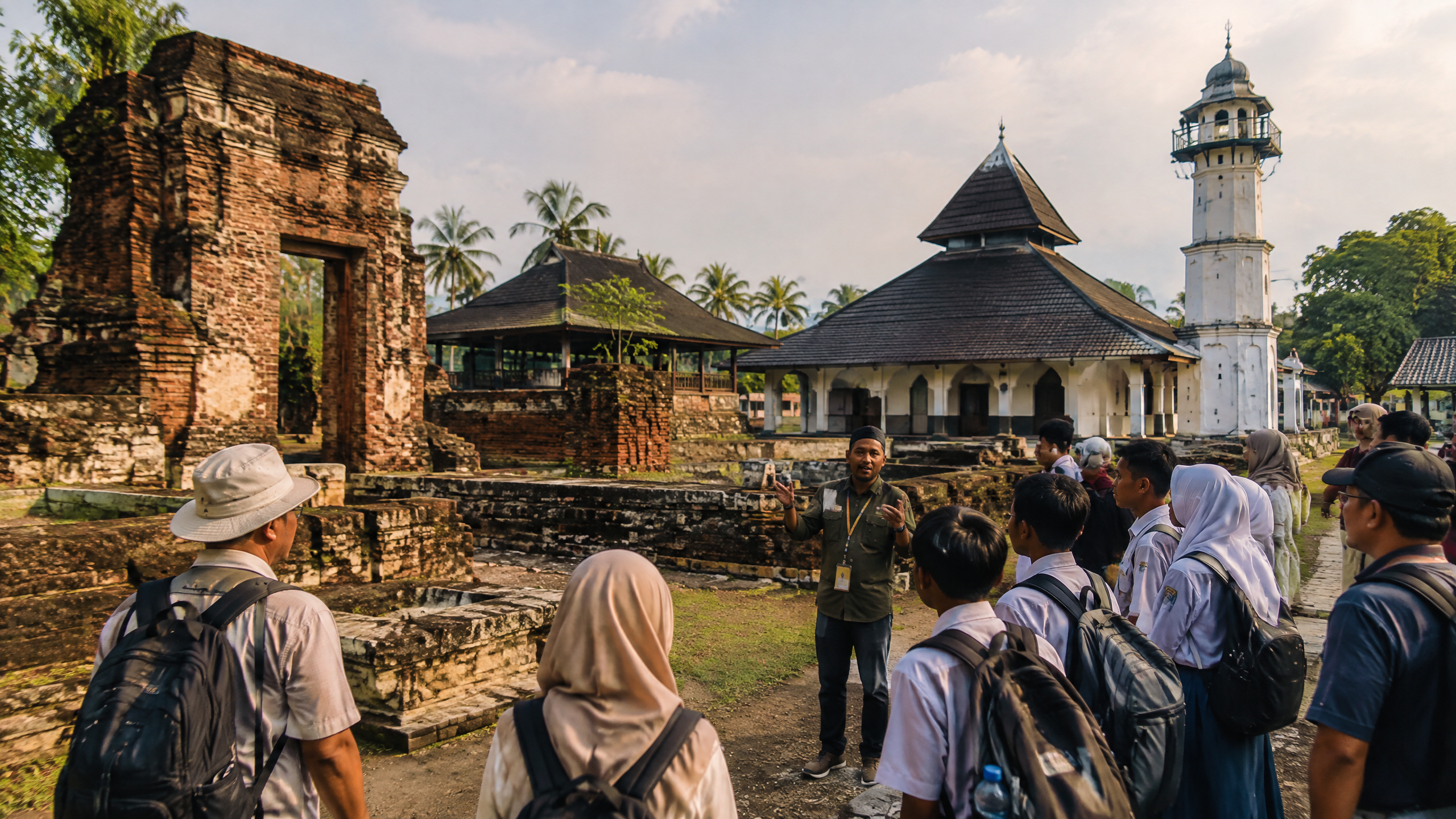
    The archaeological site still bears witness to this rich trading past, with remnants of fortifications, mosques, and palaces that once defined its urban landscape. The Surosowan Palace, for instance, served as the primary royal residence, while the Great Mosque of Banten stood as a central religious institution, both reflecting the sultanate’s power and influence.

    Decline and Enduring Legacy

    The golden age of Old Banten, however, began to wane in the late 17th and 18th centuries due to internal conflicts and increasing colonial interference. The Banten Sultanate eventually faced annexation in the early 19th century, marking the end of its four-century-old reign. Despite its decline, the legacy of Old Banten continues to resonate.

    Today, the archaeological site is a significant destination for tourists and pilgrims, offering a tangible connection to Indonesia’s past. Ongoing archaeological research continues to uncover new insights into its history, helping to reconstruct the daily lives of its inhabitants and the grandeur of its former glory. The site serves as a powerful educational tool, reminding us of the importance of preserving historical heritage and understanding the forces that shape civilizations.

    Conclusion

    Old Banten is more than just a collection of ruins; it is a living testament to a powerful maritime sultanate and a vibrant trading hub that played a crucial role in shaping the history of Indonesia and Southeast Asia. Its archaeological remains invite us to explore a past filled with trade, cultural exchange, and political intrigue, offering a profound understanding of the foundations upon which modern Indonesia was built.

  • DPRD Kabupaten Serang: New Faces, Renewed Mandate for Local Governance

    **Serang, Banten** – The **DPRD Kabupaten Serang (Serang Regency Regional House of Representatives)** has embarked on a new chapter with the official inauguration of its 50 members for the 2024-2029 period. This significant event saw the swearing-in of a diverse group of representatives, including 33 new faces, signaling a fresh mandate for local governance and development in Serang Regency.

    A Blend of Experience and New Perspectives

    The composition of the new DPRD reflects a blend of seasoned politicians and fresh perspectives, poised to address the evolving needs of the regency. The presence of a substantial number of new members is expected to inject new energy and ideas into the legislative process, fostering innovation and responsiveness in policy-making. The commitment to informed decision-making remains a priority within the council, with members bringing various academic and professional backgrounds to their roles.

    Role in Local Governance

    The DPRD Kabupaten Serang plays a crucial role in the local governance structure, acting as the legislative body that works in conjunction with the executive branch (the Regent and Vice Regent). Its primary functions include:

    • **Legislation:** Formulating and enacting local regulations (Perda) that govern various aspects of public life in Serang Regency.
    • * **Budgeting:** Approving the regional budget, ensuring that financial resources are allocated effectively to meet the development priorities of the community.
    • * **Oversight:** Monitoring the implementation of regional policies and programs by the executive branch, ensuring accountability and transparency in governance.

    Addressing Community Needs and Challenges

    The newly inaugurated DPRD members are tasked with representing the aspirations of their constituents and addressing the pressing issues facing Serang Regency. These include improving public services, fostering economic growth, enhancing infrastructure, and promoting social welfare. Their work is critical in translating community needs into actionable policies and programs.

    The legislative body’s ability to engage with public concerns and facilitate constructive dialogue remains vital in maintaining social harmony and effective governance in the dynamic social and political environment of Banten.

    Looking Ahead

    The 2024-2029 term for the DPRD Kabupaten Serang is set against a backdrop of ongoing development and evolving challenges. With a renewed mandate and a mix of experienced and new members, the DPRD is expected to play a pivotal role in steering Serang Regency towards a prosperous and equitable future. The focus remains on collaborative governance, ensuring that the legislative agenda aligns with the developmental goals and the well-being of the people of Serang.

  • Banten’s Social Media Pulse: What’s Capturing Public Attention?

    In an increasingly digital world, **Banten Province** is no exception to the pervasive influence of social media. From viral TikTok challenges to trending Instagram stories, the online landscape of Banten is a dynamic reflection of its people’s interests, concerns, and creativity. Understanding these social media trends offers a unique pulse on what’s capturing the public’s attention and shaping local discourse.

    The Digital Landscape of Indonesia and Banten

    Indonesia, as a nation, boasts a significant and growing social media presence. The number of social media users in Indonesia continues to reach new heights, accounting for a substantial portion of the total population. This widespread adoption of digital platforms naturally extends to Banten, where residents actively engage with various social media channels.

    Key trends observed across Indonesia, which are also pertinent to Banten, include the dominance of short-form video content and user-generated content (UGC) for organic reach, the rise of social commerce, and the increasing integration of AI in digital strategies. These trends indicate a shift towards more interactive, visual, and community-driven online experiences.

    Viral Moments on TikTok and Instagram

    TikTok and Instagram have become primary platforms for viral content in Banten. These platforms are hotbeds for trending topics, challenges, and local stories that quickly capture public imagination. Viral moments can range from lighthearted entertainment, such as dance challenges and comedic skits, to more serious social issues that spark widespread discussion.

    The prevalence of viral video formats from TikTok and Instagram suggests that Bantenese users are actively participating in and contributing to these digital phenomena. These platforms also serve as crucial channels for news dissemination and public discourse. Local news platforms leverage digital channels to provide the latest information about the Banten region, further integrating social media into the daily lives of its residents.

    Social Media as a Catalyst for Change and Discussion

    Beyond entertainment, social media in Banten plays a significant role in fostering public discussion and even addressing critical issues. Research indicates that social media platforms are utilized in the discourse on important local matters, highlighting their potential as tools for digital citizenship and accountability. This demonstrates how online spaces can empower citizens to engage with governance and advocate for transparency.

    However, the digital landscape also presents challenges, such as the disparity in digital access between different areas in Banten Province. This disparity underscores the need for continued efforts to ensure equitable access to digital resources and opportunities for all residents.

    Conclusion

    Banten’s social media landscape is a vibrant and evolving space, reflecting the province’s dynamic culture and its people’s increasing digital literacy. From viral trends that entertain and connect, to platforms that facilitate critical discussions and civic engagement, social media is undeniably shaping public attention and discourse in Banten. As these platforms continue to evolve, they will remain a crucial barometer for understanding the pulse of the community and the issues that resonate most with its residents.

  • Viral: Mass Marriage Ceremony in Serang Highlights Social Significance of Isbat Nikah

    **Serang, Banten** – A heartwarming and socially significant event recently captured widespread attention, as a mass marriage ceremony, often referred to as *Isbat Nikah* (marriage validation), brought together numerous couples in Serang. While the exact number of participants can vary in such events, these communal weddings consistently go viral, underscoring their profound impact on local communities and the legal recognition they provide.

    The Essence of Isbat Nikah

    *Isbat Nikah* is a crucial legal mechanism in Indonesia, particularly for couples whose marriages, for various reasons, were not officially registered with the state. These unions, often conducted according to religious or customary rites (*nikah siri*), lack legal standing, which can lead to significant challenges regarding inheritance, child legitimacy, and access to public services. Mass *Isbat Nikah* ceremonies provide an accessible and affordable pathway for these couples to obtain legal recognition for their marriages, ensuring social protection and legal justice for their families.

    A Community Affair

    These mass ceremonies are more than just legal proceedings; they are vibrant community events that celebrate love, commitment, and the strengthening of family bonds. They often involve collective vows, festive gatherings, and the support of local government and religious institutions. The viral nature of such events, frequently shared across social media platforms, reflects the public’s appreciation for initiatives that address social needs and uphold family values.

    While specific details for a 2026 event involving 52 couples in Serang were not explicitly found, similar events have been widely reported across Indonesia. These events often provide not only legal documents but also a sense of dignity and belonging for participating families.

    Social Impact and Benefits

    The social impact of mass *Isbat Nikah* ceremonies is far-reaching:

    • **Legal Certainty:** Couples gain legal recognition, which is vital for administrative processes such as obtaining birth certificates for children, family cards, and managing inheritance.
    • * **Child Protection:** Children born from unregistered marriages gain legal status, ensuring their rights to education, healthcare, and inheritance are protected.
    • * **Empowerment:** Women in unregistered marriages often face vulnerabilities; legal recognition provides them with greater protection and rights.
    • * **Community Cohesion:** These events foster a sense of community and mutual support, reinforcing social structures and family values.

    Conclusion

    The viral attention garnered by mass marriage ceremonies in Serang and other parts of Banten underscores the significant social and legal benefits of *Isbat Nikah*. These events not only provide legal certainty for countless families but also serve as powerful symbols of community solidarity and the ongoing efforts to ensure justice and protection for all citizens. As Banten continues to develop, such initiatives play a crucial role in building a more equitable and harmonious society.

  • The Role of Youth in Banten’s Political Landscape: Shaping Policy and Discourse

    In Banten, as in many parts of Indonesia, the youth are increasingly becoming a significant force in shaping the political landscape. Far from being apathetic, the younger generation is actively engaging in political discourse and contributing to policy-making, driven by a desire for change and a more inclusive society. Their participation is crucial for the democratic health and future development of the province.

    Growing Political Engagement

    Recent years have witnessed a notable surge in youth involvement in politics, fueled by increased activism and digital engagement. While some earlier studies might have emphasized youth political apathy, contemporary research indicates a more nuanced picture, with young people actively seeking avenues to express their political views and influence decisions. This engagement is often facilitated by social networks and digital media, which provide platforms for discussion, mobilization, and the formation of political identities.

    In Banten, youth articulation meetings and various training programs empower young educators and foster leadership skills, indirectly contributing to political awareness and participation. These initiatives highlight a growing recognition of the importance of youth in political processes.

    Shaping Policy and Discourse

    Youth in Banten are not merely observers; they are actively contributing to policy discussions and advocating for issues that matter to them. Their concerns often revolve around critical areas such as education, employment, health, and social inclusion. By participating in various forums, both online and offline, they are helping to redefine political discourse and push for policies that address contemporary challenges.

    The involvement of youth in policy and decision-making processes is increasingly seen as essential for effective governance and for restoring trust in public institutions. Their fresh perspectives and innovative ideas can lead to more comprehensive and relevant policies that cater to the needs of a diverse population.

    Factors Influencing Youth Participation

    Several factors contribute to the level and nature of youth political participation in Banten:

    • **Digital Media and Information Access:** The widespread use of social media and access to information empowers young people to stay informed, share opinions, and organize collective action.
    • * **Civic Education:** Programs that promote civic education and political literacy play a vital role in equipping youth with the knowledge and skills necessary for meaningful participation.
    • * **Personal Motivation:** Individual motivations, often stemming from a desire for social justice, environmental protection, or economic opportunity, drive many young people to engage in politics.
    • * **Life Circumstances:** Socio-economic and cultural factors, as well as individual life circumstances, also influence how and why young people choose to participate.

    Conclusion

    The youth of Banten are a dynamic and influential force in the province’s political landscape. Their growing engagement, facilitated by digital platforms and supported by various empowerment initiatives, is crucial for fostering a more inclusive and responsive governance system. As Banten continues to develop, the active participation of its youth will undoubtedly play a pivotal role in shaping its future policies and ensuring a vibrant democratic society.

  • Banten’s Economic Outlook 2026: Positioning for Growth and Investment

    **Banten Province** is strategically positioning itself as a key economic hub within Indonesia, with a promising outlook for 2026 driven by robust economic growth, strategic investment initiatives, and ongoing infrastructure development. The province’s commitment to fostering a conducive business environment is attracting significant attention from both domestic and international investors.

    Strong Economic Performance

    Banten’s economy demonstrated resilience and growth in the first quarter of 2026, expanding by 5.64 percent year-on-year. This performance underscores the province’s dynamic economic landscape, supported by various sectors. While the national economic growth for Indonesia is projected to remain around five percent, driven by domestic demand and macroeconomic stability, Banten’s regional performance indicates a strong contribution to the national economy.

    Strategic Investment Opportunities

    Banten is actively promoting itself as a high-value investment destination, particularly through its **Special Economic Zones (SEZs)**. The Banten ETKI SEZ, for instance, has already realized a cumulative investment of IDR 1.19 trillion, creating 836 jobs across 14 business entities. These SEZs offer attractive incentives and streamlined regulations, making them appealing for various industries.

    Key investment themes for 2026 in Indonesia, which Banten is well-positioned to leverage, include resilient portfolios, smart real estate, and ventures in AI and digital marketing. The province’s focus on manufacturing, trade, and services, coupled with its strategic location near Jakarta, makes it an ideal location for businesses looking to expand their operations.

    Infrastructure Development as a Catalyst

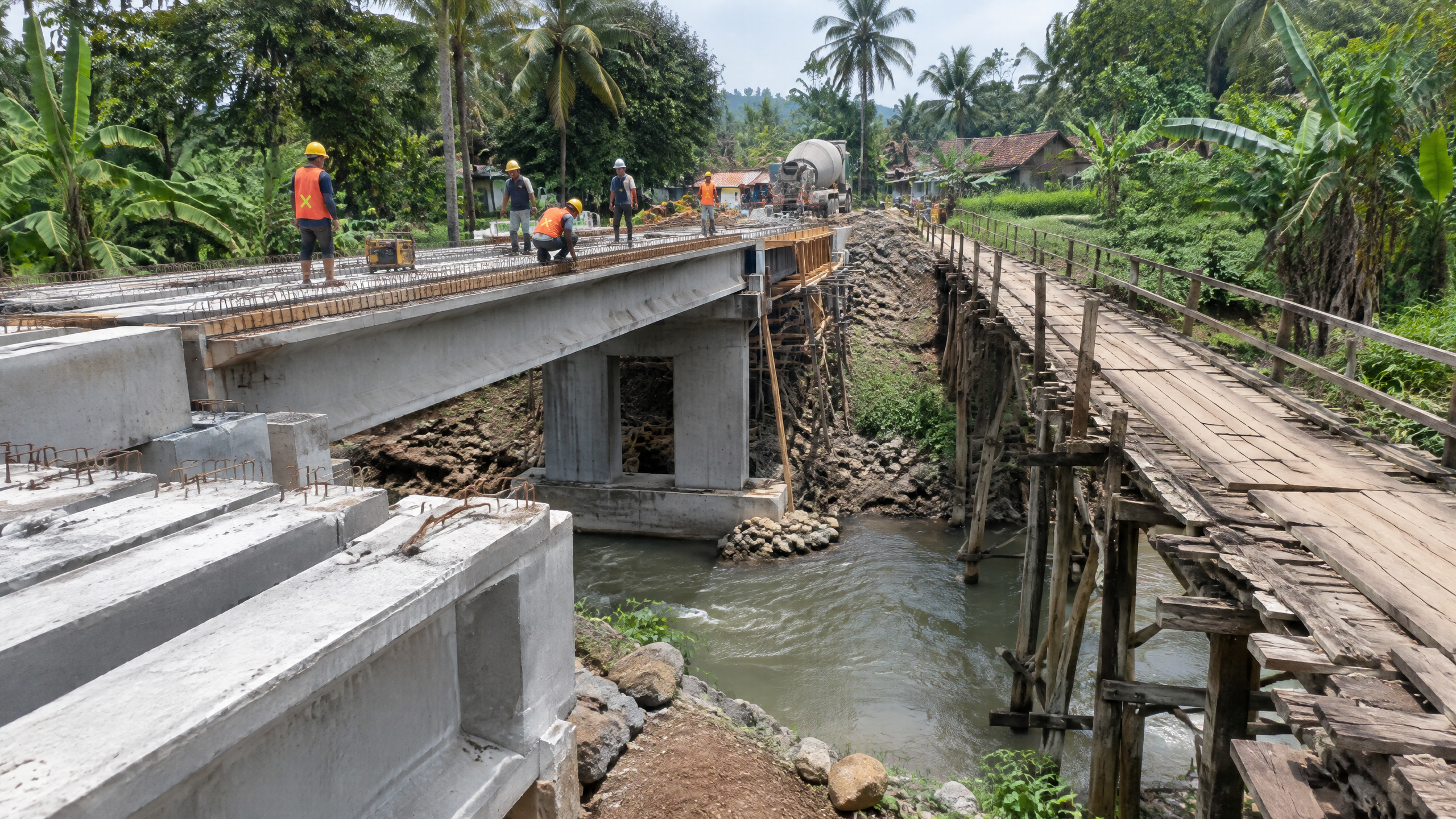
    Infrastructure development remains a cornerstone of Banten’s economic strategy. Major projects, including toll roads, ports, and industrial zones, are underway to enhance connectivity and facilitate trade and logistics. The Serang-Panimbang toll road, for example, is a critical project aimed at improving access to key economic areas and tourist destinations like Tanjung Lesung.

    Indonesia, including Banten, is also embarking on significant Public-Private Partnership (PPP) projects in 2026, focusing on transportation, water, and energy sectors. These initiatives are designed to upgrade existing infrastructure and build new facilities, further supporting economic growth and attracting more investment.

    Conclusion

    Banten’s economic outlook for 2026 is characterized by sustained growth and a proactive approach to attracting investment. By focusing on strategic SEZs, continuous infrastructure development, and fostering a supportive business environment, Banten is solidifying its position as a competitive and attractive destination for both domestic and international capital. The province’s efforts are not only contributing to its own prosperity but also playing a vital role in Indonesia’s broader economic development.

  • Pilkada Banten 2024: Reflecting on the Transition to New Leadership

    The **2024 Banten gubernatorial election (Pilkada Banten 2024)**, held on November 27, 2024, marked a significant political event for the province, ushering in a new era of leadership. As part of nationwide local elections, this contest to elect the Governor and Vice Governor of Banten for the 2025-2030 term was closely watched, reflecting the dynamic political landscape of the region.

    A Highly Competitive Race

    The election proved to be highly competitive, featuring two prominent candidate pairs: **Andra Soni-Dimyati Natakusumah** and **Airin Rachmi Diany-Ade Sumardi**. The campaign was characterized by intense political contestation, with both pairs vying for the support of Banten’s diverse electorate. Political communication strategies played a crucial role, as candidates sought to connect with voters and articulate their visions for the province’s future.

    Ultimately, the pair of **Andra Soni-Dimyati Natakusumah emerged victorious**, with the official recapitulation of votes confirmed by the Banten Provincial General Election Commission (KPU) on Saturday, December 7, 2024. This outcome signifies a transition in leadership and sets the stage for new policy directions and governance approaches in Banten.

    Impact on Banten’s Future

    The new leadership is expected to address various governance challenges and capitalize on Banten’s strategic position within Indonesia. Key areas of focus will likely include continued infrastructure development, economic growth, and the improvement of public services. The election results also highlight the evolving political dynamics in Banten, moving beyond traditional power structures and embracing a more competitive democratic process.

    The transition of power will undoubtedly bring new perspectives to the provincial administration. The incoming Governor and Vice Governor will face the task of implementing their campaign promises, fostering inclusive development, and ensuring that Banten continues its trajectory towards prosperity. The engagement of the community and various stakeholders will be crucial in shaping the province’s future under this new leadership.

    Conclusion

    Pilkada Banten 2024 was a pivotal moment for the province, demonstrating the vibrancy of its democratic process. The election of Andra Soni-Dimyati Natakusumah as the new leaders signifies a fresh chapter for Banten. As they embark on their term, all eyes will be on their efforts to drive progress, address societal needs, and further solidify Banten’s position as a significant contributor to Indonesia’s national development.